



ISIS-K has become the most dangerous extremist group operating inside Afghanistan. Since the Taliban’s return to power, the group has expanded its networks, increased attacks, and challenged the Taliban’s claim to nationwide security. This growing threat exposes major weaknesses inside the Taliban’s security apparatus.
Origins of ISIS-K’s Resurgence
ISIS-K first emerged in eastern Afghanistan in 2015, but its recent resurgence is tied directly to the post-2021 power vacuum.
Collapse of former intelligence structures
The fall of the previous Afghan security agencies created ungoverned spaces.
ISIS-K used these gaps to rebuild networks
The group recruited new fighters, expanded safe houses, and reorganized operations.
Taliban’s Security Structure Under Pressure
The Taliban claim to have restored security, yet ISIS-K attacks contradict this narrative.
Targeted operations in Kabul, Balkh, Herat, and Kunar
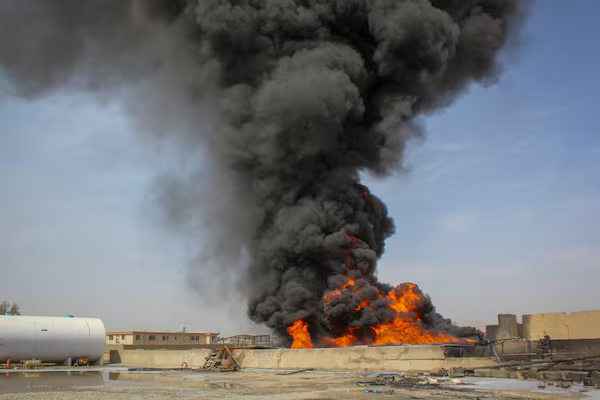
ISIS-K has targeted Taliban officials, foreign embassies, Shia communities, and public spaces.
Suicide attacks and high-profile assassinations
These attacks undermine the Taliban’s authority and weaken public confidence.
Why ISIS-K Sees the Taliban as an Enemy
The Taliban and ISIS-K share militant roots, but their ideologies clash.
Taliban’s nationalist focus
The Emirate restricts its agenda to Afghanistan.
ISIS-K’s global jihadist ideology
ISIS-K accuses the Taliban of being “soft,” “nationalist,” and “collaborating” with foreign states.
Internal Weaknesses in Taliban Security Forces
The Taliban lack a unified, professional intelligence system.
Fragmentation between Kandahar and Kabul
Different factions control different units.
Limited surveillance and counterterror tools
The Taliban rely heavily on raids and arrests, not advanced intelligence gathering.
Regional Factors Driving ISIS-K Expansion
The group benefits from regional instability.
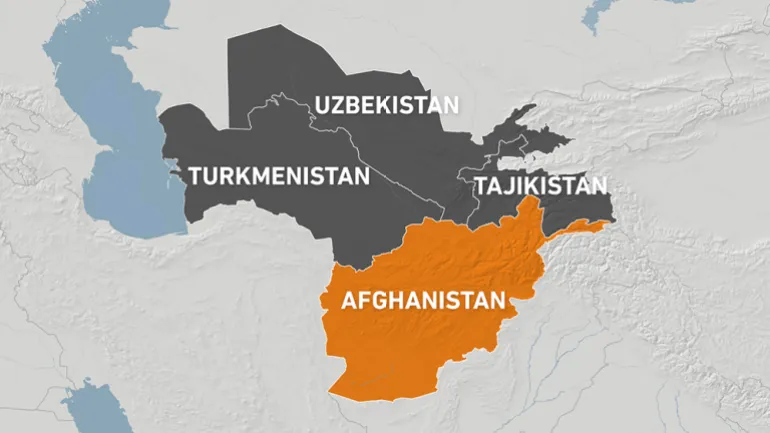
Fighters absorbed from Pakistan, Central Asia, and the Middle East
Foreign militants see Afghanistan as a new operational base.
Porous borders increase mobility
Uncontrolled routes help ISIS-K evade Taliban forces.
International Implications
ISIS-K’s growth alarms neighboring states and global powers.
Threats to Iran, Russia, China, and Central Asia
The group has carried out or attempted attacks linked to these countries.
Western governments fear Afghanistan becoming a global terror hub
ISIS-K’s online propaganda also targets Europe and the United States.
Taliban’s Response Strategy
The Taliban have launched aggressive operations, but challenges persist.
Night raids, mass arrests, and intelligence sweeps
Thousands of suspected fighters have been detained.
But the approach lacks long-term prevention
ISIS-K cells continue to adapt and relocate.
Long-Term Outlook
ISIS-K’s rise is the Taliban’s biggest internal security threat.
Continued instability likely
Without a unified counterterror strategy, attacks may grow.
Afghanistan risks deeper regional isolation
If ISIS-K expands further, neighboring states may shift policies toward containment and pressure.