


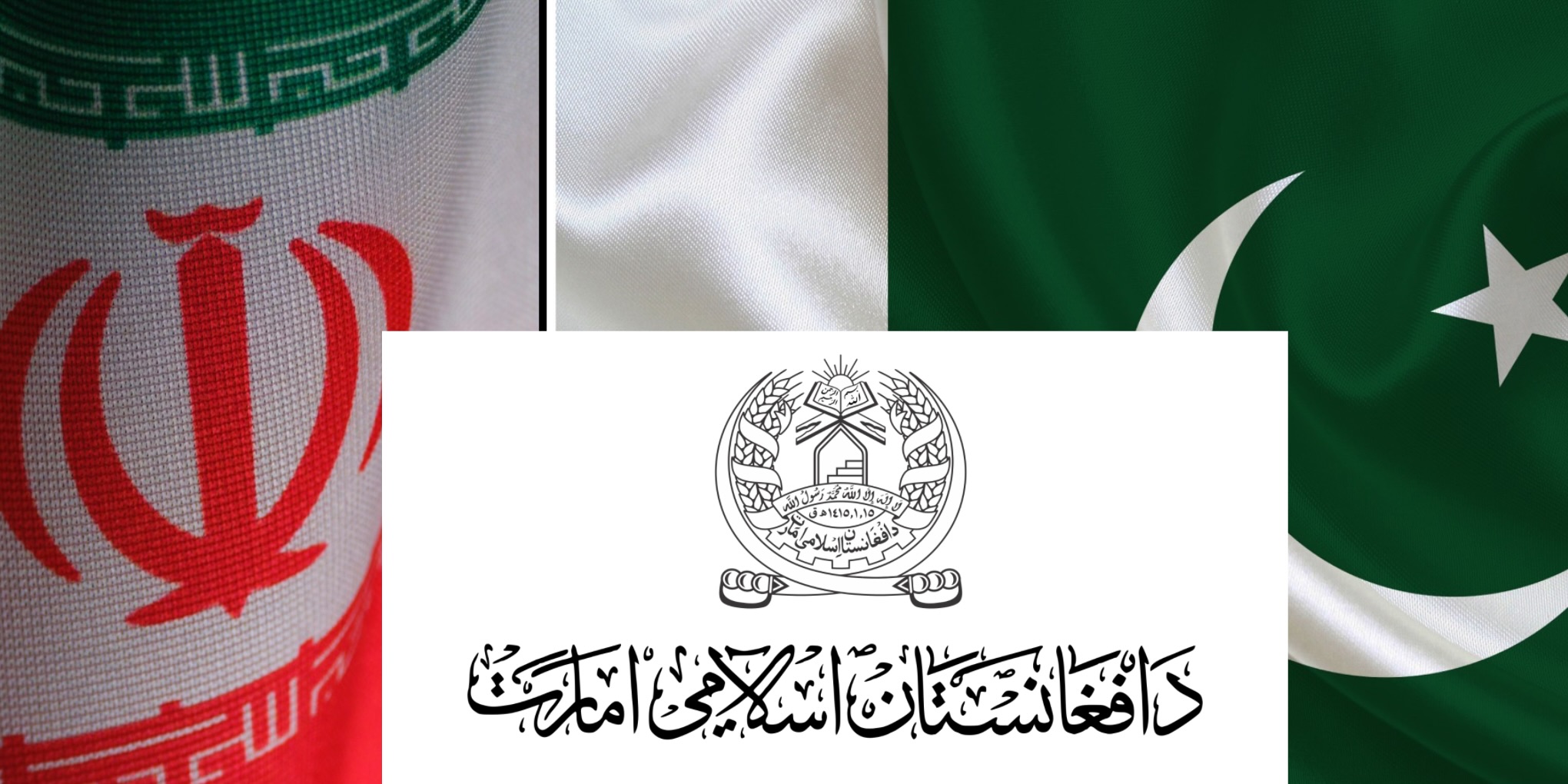
Afghanistan has entered a new phase of geopolitical uncertainty under Taliban rule. The Islamic Emirate now sits at the center of a tense regional triangle involving Pakistan, Iran, and the United States. Each of these powers interacts with the Taliban differently—Pakistan through security pressure, Iran through diplomatic mediation and water disputes, and the U.S. through conditional engagement shaped by counterterrorism priorities. Together, these three fronts create a complex web that defines the Taliban’s foreign policy.
Pakistan: Security Pressure and Strategic Dependence
Pakistan remains the closest and also the most challenging neighbor for the Taliban. Islamabad expected the new government in Kabul to limit Tehrik-e-Taliban Pakistan (TTP), but the Taliban have refused to take harsh action. This refusal has deepened tensions between the two governments.
Pakistan uses three primary tools against the Taliban:
• military pressure along the border
• mass deportation of Afghan refugees
• diplomatic messaging that portrays Kabul as irresponsible on security
For the Taliban, Pakistan is both a gateway to regional trade and a source of constant strategic pressure. The Emirate resists appearing dependent on Islamabad, yet it cannot ignore Pakistan’s leverage over transit routes, trade corridors, and international perception.
Iran: Mediator, Neighbor, and Competitor Over Water
Iran approaches the Taliban differently. Tehran maintains open diplomatic channels, hosts negotiations, and positions itself as a mediator in regional tensions. But Iran has its own priorities:
• securing the Helmand River water share
• preventing Sunni extremist groups from gaining ground near its borders
• protecting Shia communities inside Afghanistan
• maintaining trade routes through Herat and Nimroz
Water is the central fault line. The Helmand River dispute repeatedly strains relations. At the same time, Iran sees the Taliban as a reality it must manage, not confront. This creates a unique relationship: cooperation mixed with persistent friction.
United States: Conditional Engagement Without Recognition
Washington has no formal ties with the Taliban, but the U.S. remains one of the most influential external actors. Its priorities are clear:
• preventing Afghanistan from becoming a terror sanctuary
• monitoring ISIS-K expansion
• managing humanitarian assistance
• protecting remaining U.S. interests in the region
The U.S. neither wants chaos in Afghanistan nor wants to recognize the Taliban. As a result, engagement is indirect, transactional, and heavily security-focused. This keeps the Taliban under economic and political pressure while avoiding deeper entanglement.
The Taliban’s Balancing Act
The Islamic Emirate tries to maintain neutrality, presenting itself as a non-aligned actor. Yet, in practice, the Taliban face a diplomatic triangle with three competing demands:
Pakistan wants security concessions.
Iran wants water and border stability.
The U.S. wants counterterrorism guarantees.
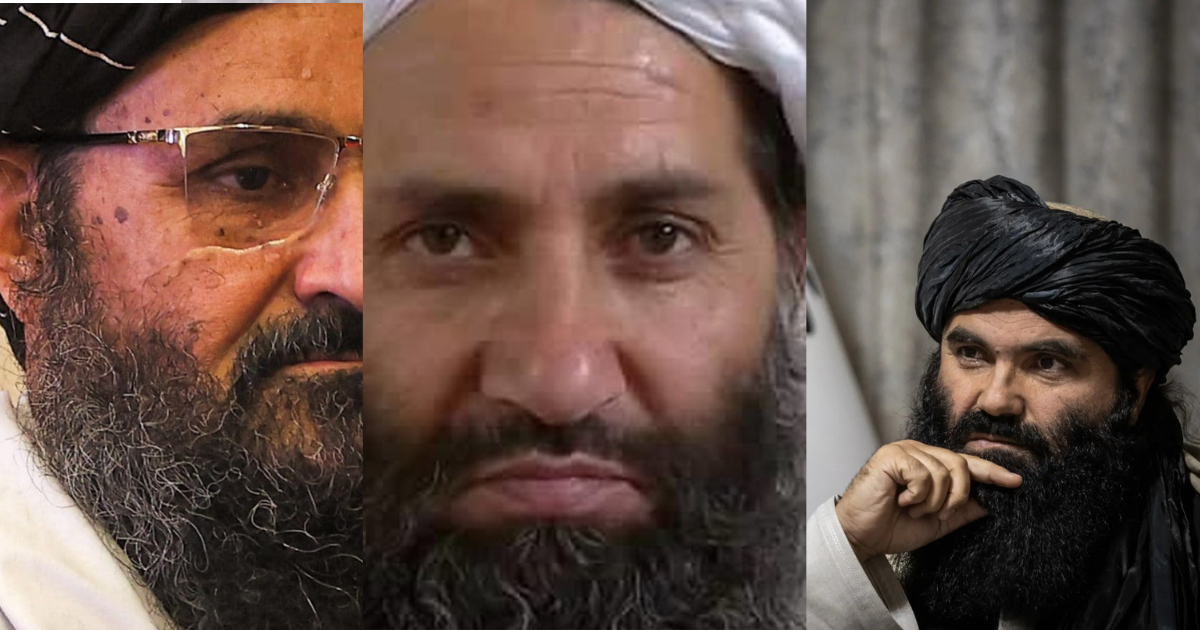
The Emirate tries to balance these pressures through quiet diplomacy, regional visits, controlled messaging, and strategic patience. But internal divisions within the Taliban leadership—between Kandahar, the Haqqani network, and political factions—complicate foreign policy coherence.
Regional Impact: A Slow Shift Toward Multipolar Engagement
The Taliban increasingly look to diversify relationships beyond the traditional three powers. Engagement with China, Russia, Turkmenistan, Qatar, and the Gulf states is growing. Still, no country is willing to give full political recognition, leaving the Emirate in a diplomatically suspended position.
Despite this, Afghanistan remains a strategic crossroads. Its geography forces every regional actor to calculate carefully, giving the Taliban unexpected leverage.
Future Scenarios
Three paths shape the future of Taliban foreign policy:
• Scenario 1: Pakistan pressure increases → forcing Kabul into security concessions.
• Scenario 2: Iran–Taliban tensions rise over water and border issues.
• Scenario 3: U.S.–Taliban engagement grows slowly through counterterrorism channels.
Which way the Taliban move depends on internal cohesion, regional shifts, and their ability to maintain survival without international recognition.