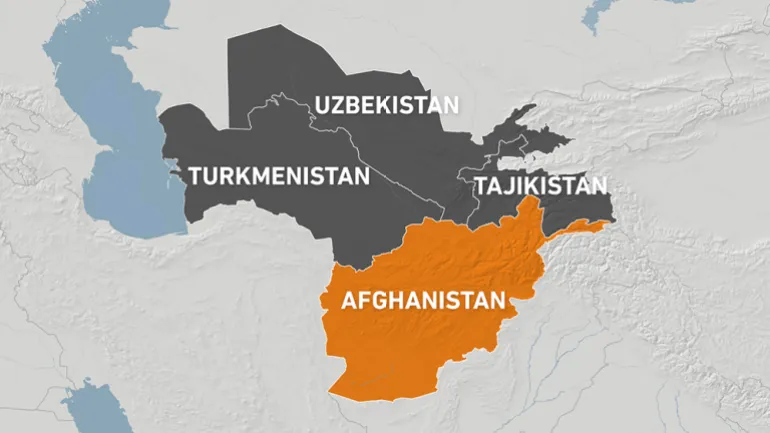



In recent months, reports from eastern Afghanistan have begun to circulate quietly: tunnels are being dug in the mountains and valleys of Paktia, Paktika, and Khost. On its own, tunneling is nothing new in Afghanistan. What makes these reports different is the location, the scale, and the absence of any clear public explanation.
Local sources say roughly 1,800 workers have been hired to take part in excavation projects in areas long known for their strategic importance and historical ties to the Haqqani network. The Taliban have offered no detailed information—no engineering plans, no budgets, no timelines. That silence has left room for questions about what these tunnels are really meant to do.
In Afghanistan’s past, tunnels have rarely been just about infrastructure. They have served practical purposes—moving through harsh terrain and connecting remote areas—but they have also played a role in conflict, offering shelter, storage, and protection when pressure mounted. Because of that history, analysts find it difficult to see large-scale tunneling in eastern Afghanistan as a routine development project, especially when it unfolds without visible institutional oversight.
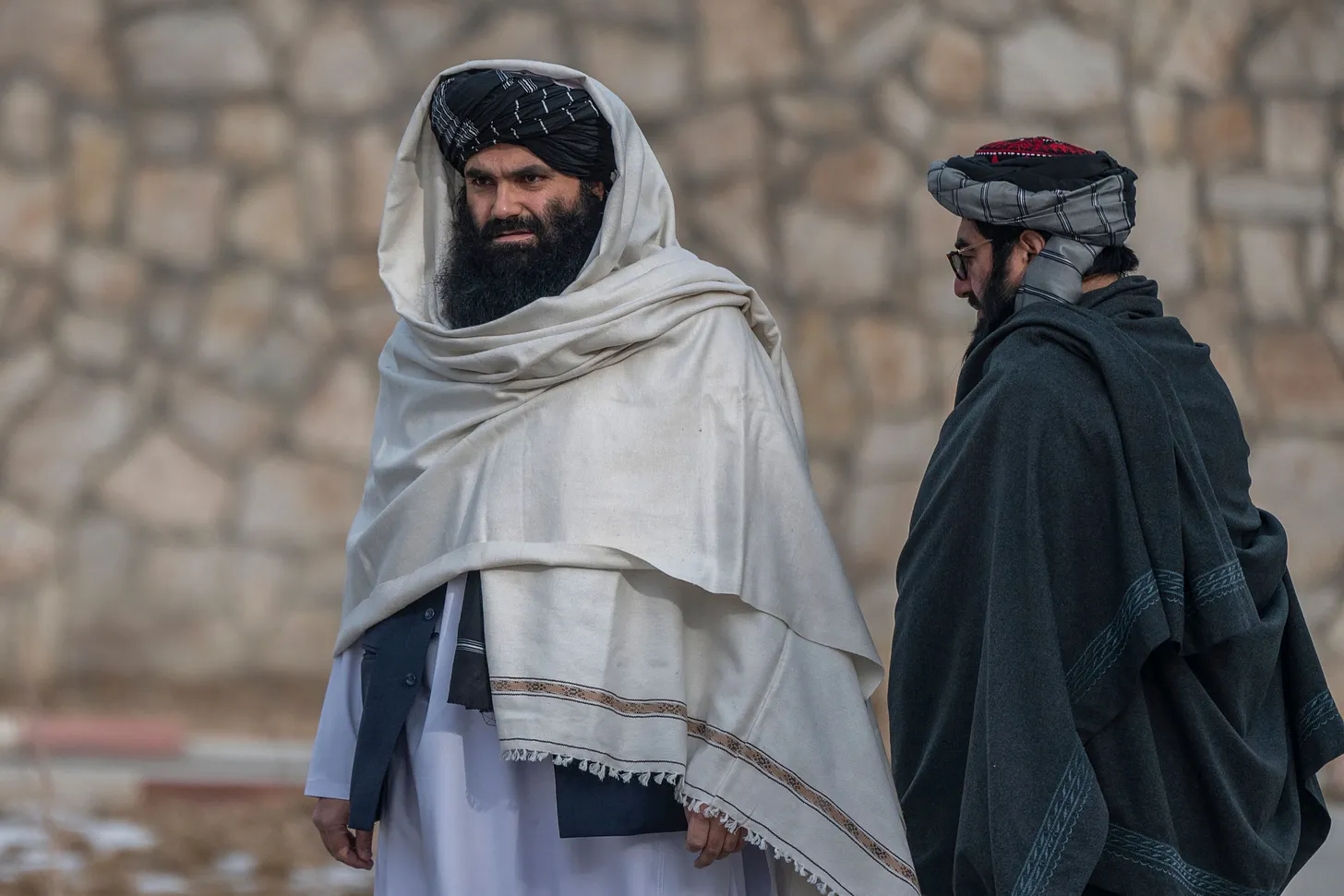
Attention naturally turns to Interior Minister Sirajuddin Haqqani. His influence in eastern Afghanistan stretches back years, well before the Taliban returned to power. While he now holds a formal government position, he also represents a powerful security network with its own local roots and internal discipline.
When major projects take shape in regions closely associated with his network, it blurs the line between state authority and parallel power structures. This ambiguity reflects a broader reality inside the Taliban’s governing system.
Publicly, the movement presents itself as unified and centralized. On the ground, however, power is more uneven, shaped by factions with different histories, loyalties, and capabilities. Infrastructure that improves mobility, protection, and logistical independence can quietly shift internal balances, strengthening one group’s position without a single shot being fired.
Timing matters too. The Taliban are trying to project stability to neighbors and the wider international community, even as they face uncertainty—from sanctions and diplomatic isolation to the lingering risk of renewed security pressure. In that context, building concealed or resilient infrastructure looks less like preparation for immediate conflict and more like insurance against an unpredictable future.
The projects also intersect with unresolved questions about the Taliban’s past and present relationships beyond Afghanistan’s borders. There is no evidence that the tunnels are linked to foreign militant groups. Still, analysts point out that any infrastructure designed for secrecy creates potential.
Whether that potential is ever used depends on political choices yet to be made. But its existence alone changes strategic calculations and alters how different actors prepare for the future.
The scale of labor recruitment adds another layer. Mobilizing hundreds or thousands of workers in remote terrain requires organization, authority, and local compliance. Even if the tunnels ultimately serve civilian purposes, the ability to carry out such projects speaks volumes about where real power lies and how it is exercised.
For now, the lack of clear information leaves the story open-ended. The tunnels may turn out to be a blend of development and security planning, or they may signal deeper preparations within the Taliban for managing internal tensions and external pressure.
What is certain is that in Afghanistan, geography is never neutral. When mountains are reshaped without explanation, they tend to say more about politics than construction.