


The influential Afghan faction shaped both the anti-Soviet resistance and the country’s post-war political trajectory.
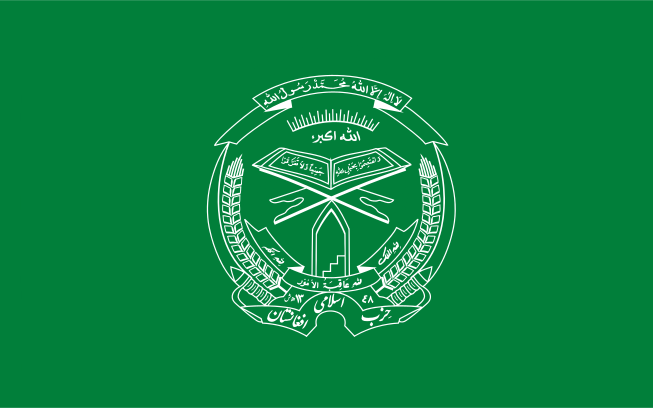
Jamiat-e Islami Afghanistan was one of the most influential Mujahideen factions during the Soviet-Afghan War, playing a central role in resisting Soviet forces and later shaping Afghanistan’s political landscape. Founded by Burhanuddin Rabbani and strengthened militarily by Ahmad Shah Massoud, the group emerged as a key actor from the 1980s through the early post-Soviet period.
As part of the “Peshawar Seven,” a coalition of major Mujahideen groups, Jamiat-e Islami Afghanistan distinguished itself through its leadership structure, regional networks, and adaptable military strategy. Its influence expanded during the 1980s, particularly in northern and northeastern Afghanistan.
Leadership of Jamiat-e Islami Afghanistan
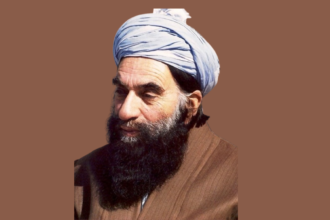
Burhanuddin Rabbani led Jamiat-e Islami Afghanistan with an ideological foundation rooted in political Islam. The group was often regarded as more moderate compared to other factions within the Mujahideen alliance.
Ahmad Shah Massoud became the faction’s most prominent military commander. His leadership in areas such as the Panjshir Valley played a significant role in sustaining resistance against Soviet offensives.
Officials said the group’s leadership structure allowed it to balance political direction with military coordination.
Military Strategy in the Soviet-Afghan War
Jamiat-e Islami Afghanistan developed a decentralized command structure, allowing local commanders to operate with relative autonomy. This flexibility enabled rapid responses to changing battlefield conditions.
The group relied heavily on guerrilla warfare tactics, including mobility, intelligence networks, and strong ties with local communities. These methods proved effective in mountainous regions where Soviet forces faced operational challenges.
The Panjshir Valley became a key stronghold, symbolizing sustained resistance throughout the conflict.
Regional Influence in Northern Afghanistan
Jamiat-e Islami Afghanistan established a strong influence in provinces such as Badakhshan, Takhar, and Panjshir. These areas provided strategic depth and access to local support networks.
The group also developed administrative systems in these regions, strengthening its political presence alongside its military operations. According to reports, this contributed to its long-term influence in Afghan political affairs.
For additional context, readers can explore Kabul Signal’s coverage of Afghanistan’s political developments after 1992, which examines how Mujahideen factions shaped governance after the war.
Political Role After Soviet Withdrawal
Following the Soviet withdrawal in 1989 and the collapse of the Najibullah government in 1992, Jamiat-e Islami Afghanistan became a central political force. Burhanuddin Rabbani assumed the presidency, while Ahmad Shah Massoud served as defence minister.
However, internal rivalries among Mujahideen factions soon escalated into conflict, particularly in Kabul. These divisions weakened efforts to establish a stable government and contributed to prolonged instability.
“Internal divisions made governance difficult despite military success,” officials said.
Further reporting on the Mujahedin civil war dynamics in Kabul highlights how these conflicts shaped Afghanistan’s post-war trajectory.
Why Jamiat-e Islami Still Matters Today
Jamiat-e Islami Afghanistan remains a significant reference point in understanding Afghanistan’s modern political history. Its legacy continues to influence political alignments and historical narratives.
Analysts say the group’s experience demonstrates both the effectiveness of decentralized resistance movements and the challenges of transitioning from armed struggle to governance.
This historical context remains relevant as Afghanistan continues to face complex political and security challenges shaped by past conflicts.