


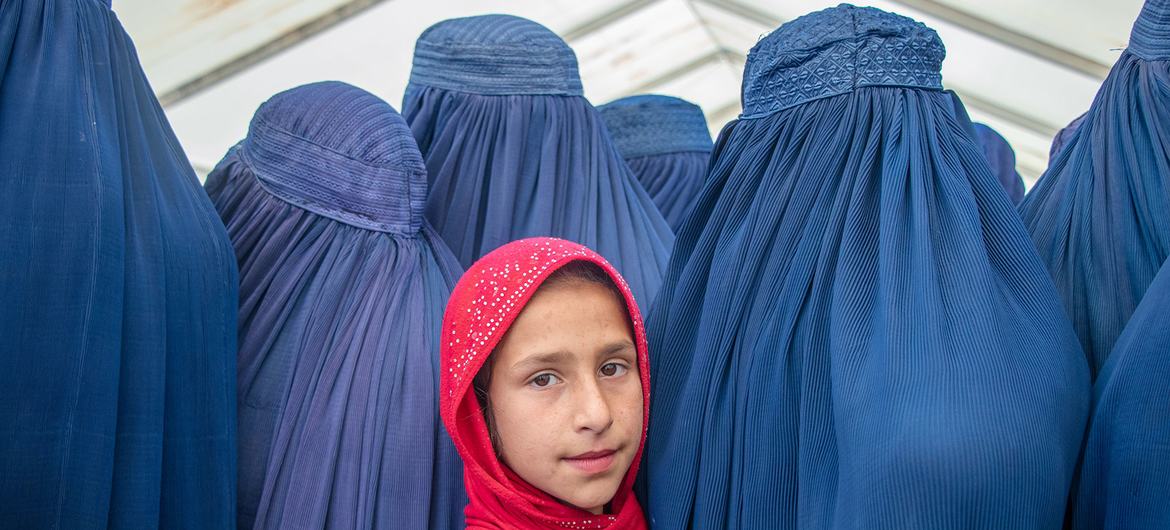
Women have been pushed out of Afghanistan’s economic life at a scale unprecedented in the country’s modern history. Since the Taliban’s return to power, restrictions on female employment, movement, and education have reshaped the economy in fundamental ways. While the immediate consequences are visible, the long-term effects pose deep challenges for Afghanistan’s stability, productivity, and future growth.
A Workforce Cut in Half
Before 2021, women worked in education, health, media, agriculture, finance, and small businesses. Today, most of these sectors operate with limited or no female participation. This has removed nearly half of Afghanistan’s potential workforce.
The exclusion affects:
• productivity in the public sector
• quality of services in health and education
• the private sector’s ability to expand
• household income and purchasing power
An economy cannot grow when half of its population is shut out.
Impact on Household Income
In many urban households, women had become significant contributors to family income. With restrictions in place, families now rely on a single breadwinner. This has increased:
• poverty levels
• child labor
• food insecurity
• dependence on humanitarian aid
Households in cities like Kabul, Herat, and Mazar have experienced sharp declines in monthly income, limiting their ability to invest in education, health, and long-term wellbeing.
The Collapse of Female-Owned Businesses
Women-led businesses—from tailoring workshops to beauty salons and home-based enterprises—once formed an important part of the urban economy. Their closure has created:
• rising unemployment among women
• loss of market diversity
• reduced local economic circulation
• decline in service-oriented sectors
Many female entrepreneurs have migrated abroad or shifted to underground, informal work.
Long-Term Damage to Human Capital
Human capital refers to the skills, education, and talent within a country. When girls are prevented from studying beyond primary school, the long-term consequences become severe.
Within a decade, Afghanistan will face:
• a shortage of skilled workers
• a weaker professional class
• limited capacity in healthcare and education
• slowed technological and administrative development
A country without female education cannot build sustainable institutions.
Effects on International Relations and Aid
Global financial institutions and donors link economic support to women’s participation. Restrictions have therefore:
• reduced development funding
• weakened foreign investment
• damaged diplomatic relationships
• increased reliance on humanitarian aid instead of economic growth
This pushes Afghanistan toward long-term isolation.
Economic Models Show Deep Future Losses
International economic projections suggest that Afghanistan could lose billions of dollars in potential growth over the next decade due to female exclusion. Economies thrive when both genders work, innovate, and contribute.
Without women in the workforce, Afghanistan faces:
• slower GDP recovery
• fewer skilled professions
• reduced innovation
• deeper cycles of poverty
Economic stagnation becomes almost inevitable.
Social and Psychological Impact
Economic exclusion also creates deeper social consequences:
• increased domestic stress
• higher vulnerability to violence
• loss of purpose and identity among women
• fragmentation of the urban middle class
A society’s wellbeing depends not only on income, but on inclusion and opportunity.
Can Recovery Happen?
Reintroducing women into the economy—even partially—would bring quick benefits:
• increased household income
• stronger workforce
• improved education and healthcare systems
• renewed trade and investment
• higher productivity in urban sectors
The path to economic recovery requires reopening opportunities for women at all levels.