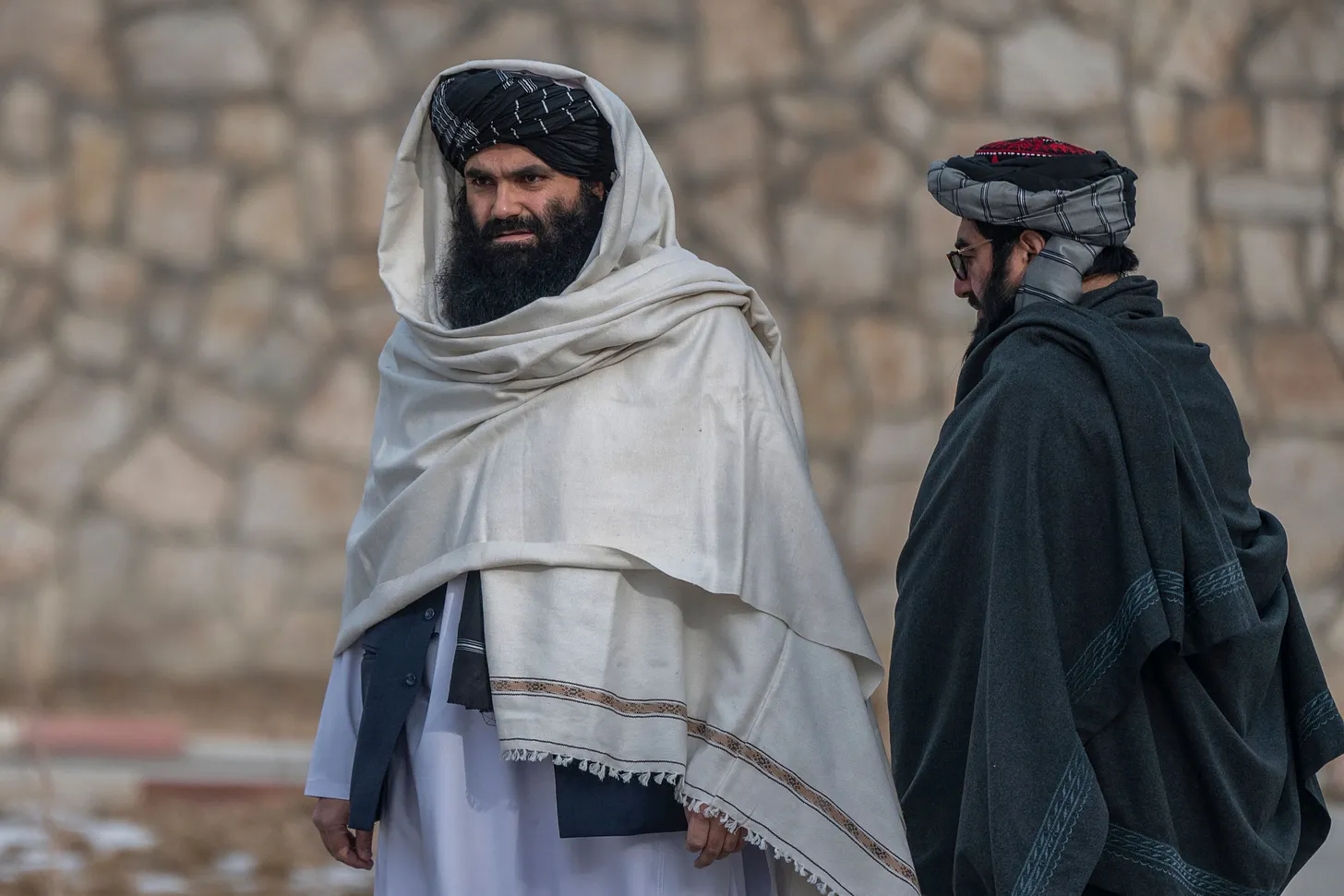



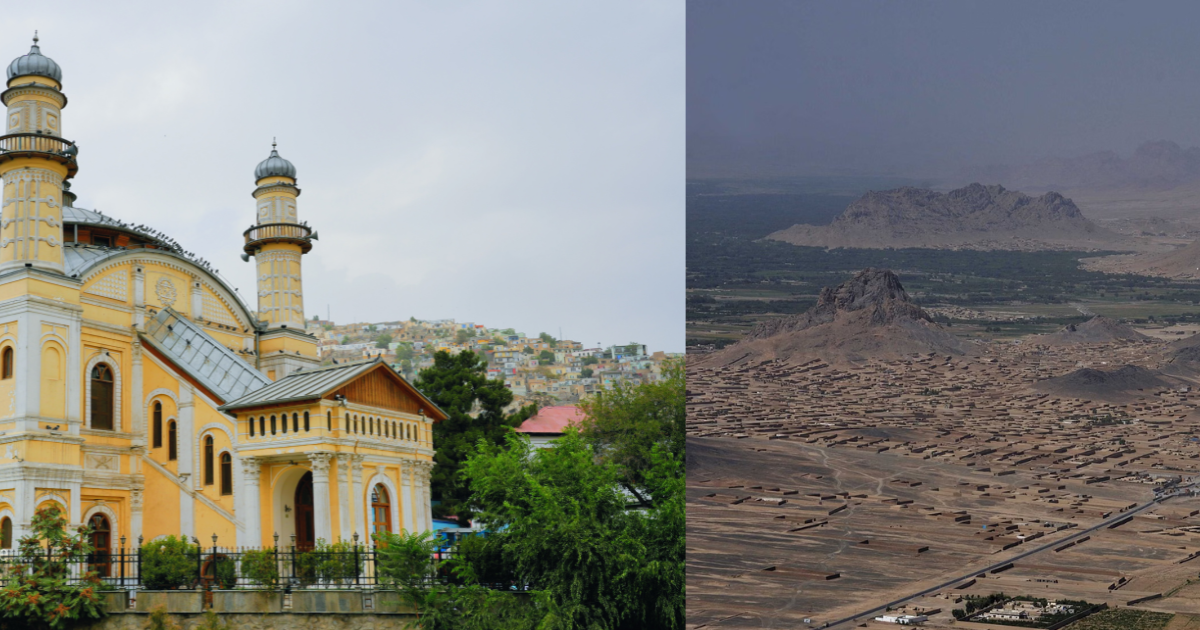
The Taliban’s return to power has reshaped Afghanistan’s political system around a centralized and deeply personalized structure. While Kabul remains the administrative capital, real authority is rooted in Kandahar, where Supreme Leader Mullah Hibatullah Akhundzada and his inner circle control major political, security, and religious decisions. This emerging two-tier system—Kandahar as the center of power and Kabul as the executor—defines the Islamic Emirate’s internal governance.
Kandahar: The Core of Absolute Power
Kandahar has become the ideological and strategic heart of Taliban governance. All major decisions pass through the Supreme Leader’s office, including:
• appointments of ministers and governors
• security and intelligence directives
• economic and customs decisions
• foreign policy guidelines
• religious decrees (fatwas and policy verdicts)
The leader’s council in Kandahar operates independently of Kabul’s ministries. This creates a system where policies are approved or rejected based on the preferences of the inner circle rather than institutional processes.
Kandahar’s control ensures loyalty, but it also limits administrative flexibility and weakens policymaking.
Kabul: Administrative Capital Without Full Authority
Kabul hosts ministries, budgets, diplomatic offices, and day-to-day governance. However, ministers often lack decision-making power. Many officials privately admit that policies originating from their ministries require approval from Kandahar—sometimes delaying implementation for weeks.
Examples include:
• stalled reforms in the financial and banking sectors
• competing instructions between ministries and Kandahar clerical councils
• reduced autonomy of security forces under Kabul command
• limited space for political negotiation with foreign diplomats
This creates a dual-power model where Kabul executes, but Kandahar decides.
The Haqqani Network: Bridging Kabul and the Security Apparatus
The third pole of power is the Haqqani network, led by Sirajuddin Haqqani. With control of the Ministry of Interior and deep influence in intelligence and field commanders, the network stands as the single strongest counterbalance to Kandahar’s dominance.
However, Haqqani operates from within Kabul’s institutional system, giving him visibility but limiting his independence.
He is influential, but not sovereign.
His unique position—trusted by field commanders but distanced from Kandahar—adds tension to the internal balance of power.
The Political Wing: Marginalized but Symbolically Important
Figures such as Mullah Abdul Ghani Baradar represent the political identity of the Taliban, especially from the Doha negotiations. But within the current power hierarchy, their role is limited. They maintain international contacts and economic portfolios, yet their influence is overshadowed by Kandahar’s centralized control.
This imbalance reflects a deeper trend: religious authority outweighs political experience in the Taliban’s governance system.
Why Kandahar Dominates
Several factors explain Kandahar’s supremacy:
1. Religious Legitimacy:
The Supreme Leader is the highest religious authority; questioning him is politically unacceptable.
2. Historical Roots:
Kandahar is the birthplace of the Taliban movement and remains symbolically central.
3. Loyalty Networks:
Key figures in Kandahar were early companions of Hibatullah and trust each other more than they trust the technocrats in Kabul.
4. Control Over Appointments:
Governors, police chiefs, judges, and ministers owe their positions to Kandahar’s approval.
This combination makes Kandahar the true center of power—more than a geographic hub; it’s a political command center.
The Impact on Governance
The dual-power structure has several consequences for Afghanistan:
• fragmented policy implementation
• slow economic reforms
• internal tension between Kabul ministries and Kandahar clerics
• reduced engagement with the international community
• limited institutional development
• higher dependency on personal loyalty rather than formal systems
For now, the structure holds together due to strict hierarchy. But long-term stability requires a more functional distribution of authority.
Future Outlook
Three possible trajectories shape the future:
Scenario 1 — Kandahar Tightens Control:
Increasing centralization, more religious oversight, and further marginalization of Kabul institutions.
Scenario 2 — Kabul Gains Limited Autonomy:
Pressure from economic collapse and diplomatic needs forces Kandahar to grant ministries more decision-making space.
Scenario 3 — Internal Balancing Through the Haqqani Network:
A subtle shift where Kabul-based security figures gain more influence in day-to-day governance.
Whichever path emerges, the essential truth remains: Afghanistan today is governed from Kandahar more than Kabul.