


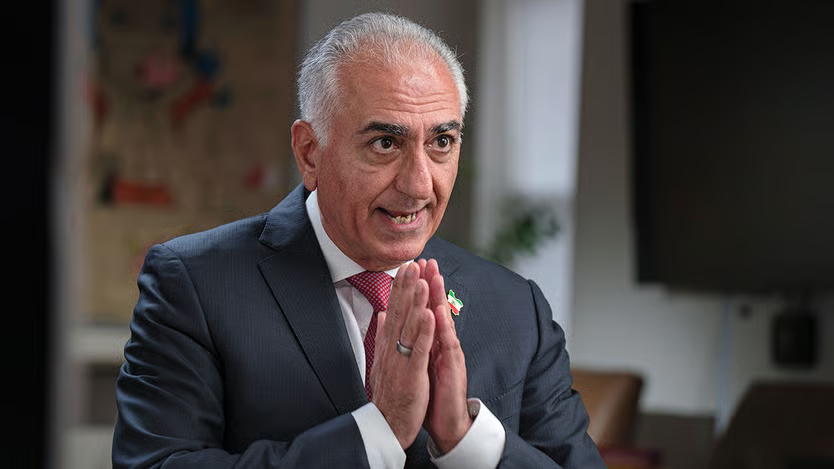
Reza Pahlavi free Iran Israel recognition is less a policy declaration than a strategic signal. In a recent video statement, Iran’s exiled crown prince outlined a vision of a post–Islamic Republic Iran that would fundamentally reorient its foreign policy.
The proposal included ending the nuclear program, halting support for militant groups, normalizing relations with the United States, and recognizing Israel. He also introduced the idea of expanding regional normalization efforts into what he described as “Cyrus Accords,” framing a future Iran as integrated into a different regional order.
Reza Pahlavi Free Iran Israel Recognition Strategy
Reza Pahlavi free Iran Israel recognition reflects an attempt to define a future geopolitical framework rather than announce immediate policy. The statement presents a post-Islamic Republic Iran as aligned with Western and regional priorities, signaling a departure from confrontation toward normalization.
Analysts suggest this message is directed primarily at external audiences. It seeks to shape expectations among policymakers and regional actors about what a different Iranian government might represent. In this sense, Reza Pahlavi free Iran Israel recognition functions as a strategic narrative rather than an operational roadmap.
Timing and Context
Reza Pahlavi free Iran Israel recognition comes at a time of continued economic pressure and political dissatisfaction inside Iran. Periodic unrest and structural challenges have kept discussions about long-term political change active.
Within this environment, the statement positions Pahlavi within broader debates about Iran’s future, despite his role outside the current political system. It reflects an effort to influence how potential change is understood internationally, rather than a direct intervention in domestic politics.
Messaging Strategy
The messaging is calibrated for multiple audiences. For Western governments, the emphasis on ending the nuclear program and normalizing relations signals a shift away from confrontation. For regional actors, recognition suggests integration into existing diplomatic frameworks.
This framing is unfolding against a backdrop of ongoing regional tension. Recent developments, including
Iran–Israel conflict strikes
highlight how escalation continues to shape strategic calculations across the region.
The broader crisis environment reinforces this context. As seen in
the Middle East crisis involving a downed Iranian jet,
military developments remain central to regional instability and risk perception.
At the same time, political reactions continue to evolve. In
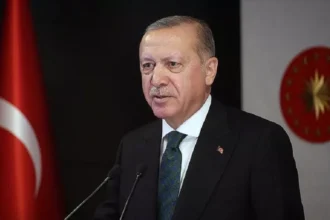
Erdogan’s warnings over rising tensions with Israel,
regional leaders have highlighted the risk of wider escalation.
The reference to “Cyrus Accords” carries symbolic weight. It frames normalization with Israel as consistent with Iran’s historical identity, rather than a break from it, linking geopolitical change to cultural narrative.
Limits and Reality
Reza Pahlavi free Iran Israel recognition also highlights the gap between narrative and implementation. Iran’s regional role is embedded in a broader security doctrine shaped over decades, including alliances and strategic positioning.
A rapid shift toward normalization would require structural transformation within the state. Leadership change alone would not immediately alter institutional priorities or security calculations.
According to International Crisis Group, regional dynamics remain complex and resistant to rapid change.
A broader perspective is reflected in United Nations reporting, linking internal political developments to external policy outcomes.
Reza Pahlavi free Iran Israel recognition contributes to shaping external perceptions of a possible future Iran. It introduces a framework that contrasts with the current state’s positioning, particularly in relation to Israel and the United States.
At the same time, its internal impact remains uncertain. Political dynamics inside Iran are driven by actors operating within the existing system, limiting the immediate influence of external narratives.
This is not a forecast of immediate change. Reza Pahlavi free Iran Israel recognition represents an attempt to define the terms of a potential future, one shaped by evolving realities both inside Iran and across the region.